
What progress looks like across the program
There is no exam at the end of this program. Progress is measured through what participants actually build, one module at a time, across a single growing season.
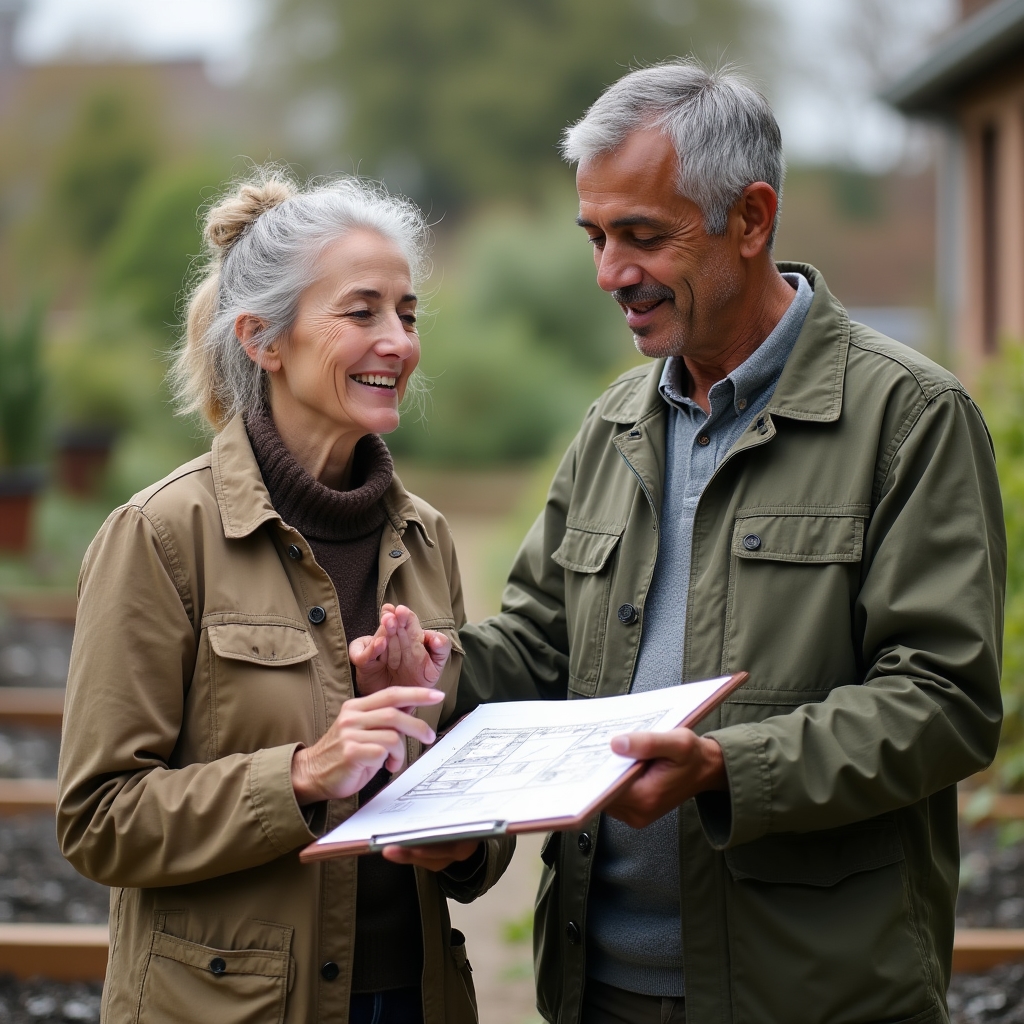
Six markers most learners reach during a season
These are descriptive checkpoints participants can track themselves. They are not credentials, exams, or professional certifications.
First Container Setup Completed
Soil selected, drainage checked, and a first crop planted in a container sized correctly for its root system. Usually reached within the first two weeks.
Compost System Established
A working small-batch compost setup, whether a countertop bin or a backyard tumbler, producing usable material for the first time.
Irrigation Plan in Place
A drip line, self-watering insert, or watering schedule adjusted to the specific climate zone and container type being used.
Pest Response Applied
An organic response, such as a soap spray or introduced beneficial insect, applied to an actual pest issue rather than a hypothetical one.
Seasonal Calendar Drafted
A personal planting calendar built around a local last frost date, ready to be reused and adjusted in future seasons.
First Harvest Logged
A first small harvest, documented with notes on what worked and what needs adjusting for the next planting cycle.
How the modules tend to unfold over a season
Soil & Containers
Setting up the physical growing space and getting soil chemistry basics in place.
Composting Starts
A compost system is built and monitored while early plantings establish.
Irrigation & Pest Watch
Watering systems get dialed in as pest pressure typically increases with warmer weather.
Harvest & Planning Ahead
First harvests get logged while a calendar for the following season takes shape.
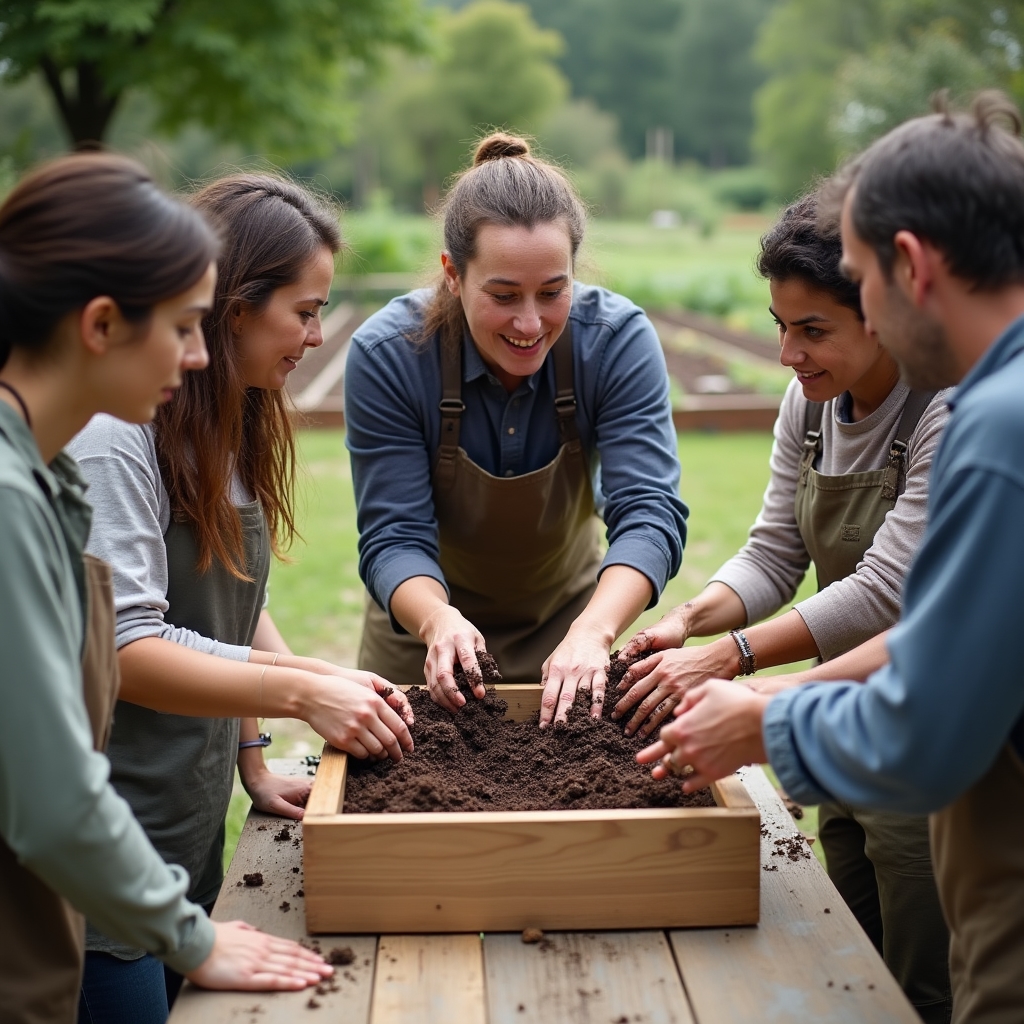
What this program is, and what it is not
Puyaya Jufoyu offers educational content aimed at home gardeners, renters, and community garden participants working with limited space. Milestones described here are self-tracked learning markers, not graded assessments.
The program does not grant a professional horticultural license, an agronomy degree, or any formal industry certification. It is designed for personal, household, and community-scale growing rather than commercial agricultural practice.