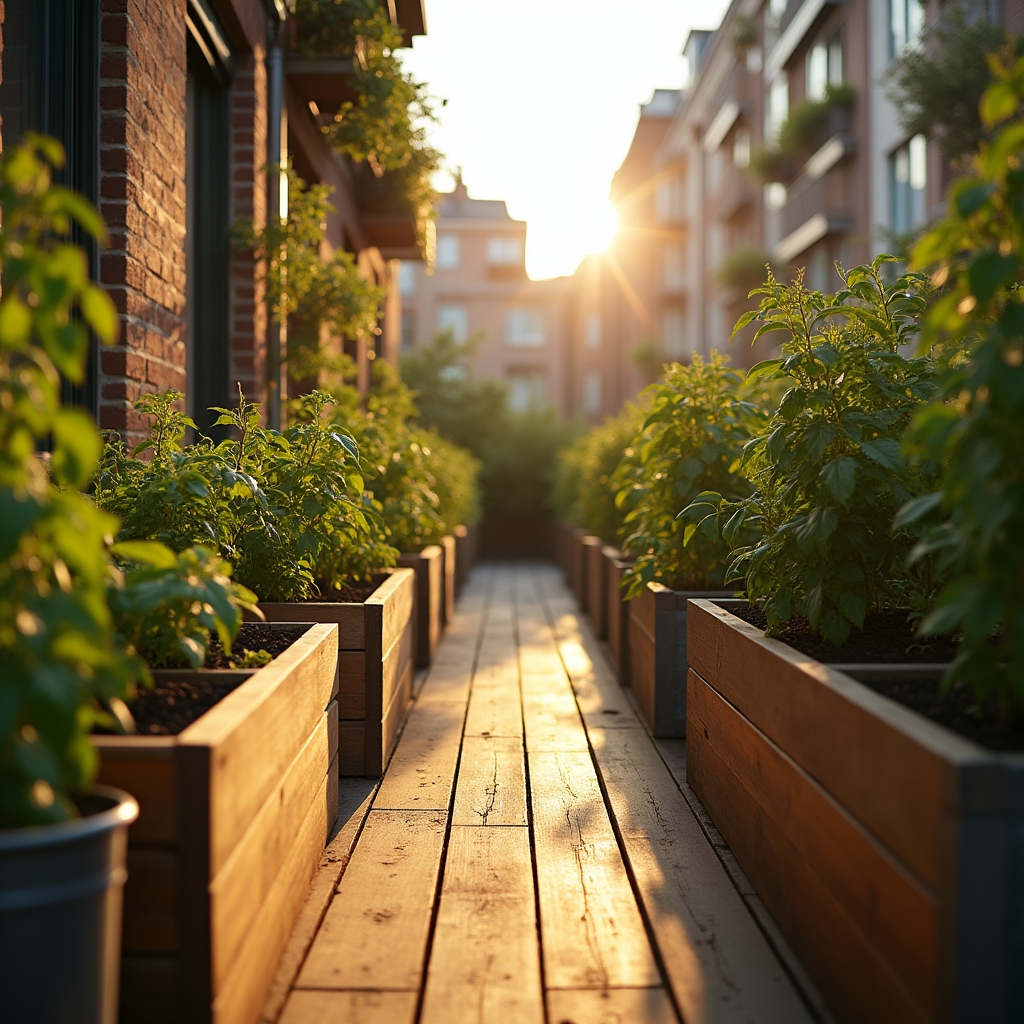
Grow real food in the space you already have.
Self-paced online courses in soil prep, containers, composting, irrigation and pest control, built around your climate zone.
Six things every course builds toward
A balcony in Phoenix behaves nothing like a fire escape in Boston. The material below gets adapted to wherever a participant is actually growing.
Soil Preparation
Reading a bag of potting mix, correcting drainage in a container, and understanding what "soil health" actually means at a five-gallon scale rather than a field scale.
Composting Basics
Small-batch composting methods that work on a balcony, in a bin, or under a sink without attracting pests.
Water-Efficient Irrigation
Drip lines, self-watering containers, and watering schedules that reduce waste in dry climates and overwatering in humid ones.
Organic Pest Control
Identifying common pests early and responding with non-chemical methods suited to enclosed or shared outdoor spaces.
Seasonal Planning by Zone
A planting calendar that accounts for frost dates, heat stress windows, and the realities of a specific USDA hardiness zone, instead of a single national schedule.
Growing looks different depending on where you live.
Each course module includes zone-specific notes, so the same lesson on tomatoes reads differently in Seattle than it does in Dallas.
Pacific & Coastal
Cooler summers, longer wet seasons, and slug pressure that shapes container choice and spacing.
Desert Southwest
Heat stress, fast-draining containers, and irrigation timing built around low humidity and intense afternoon sun.
Midwest & Northeast
Shorter growing windows, frost timing, and cold-frame or indoor start techniques for a compressed season.
Humid South
Fungal pressure, airflow planning between containers, and heat-tolerant variety selection.
What a typical lesson actually walks through
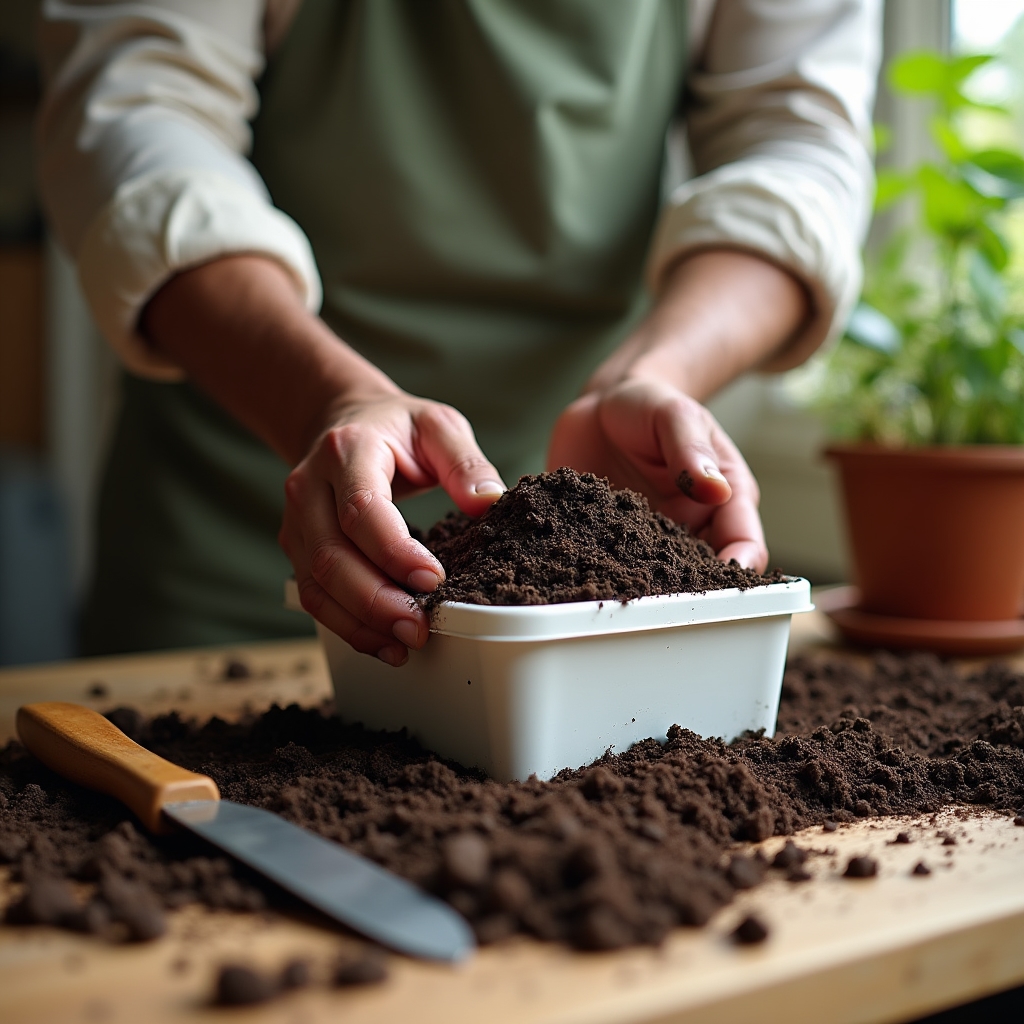
Soil & Composting
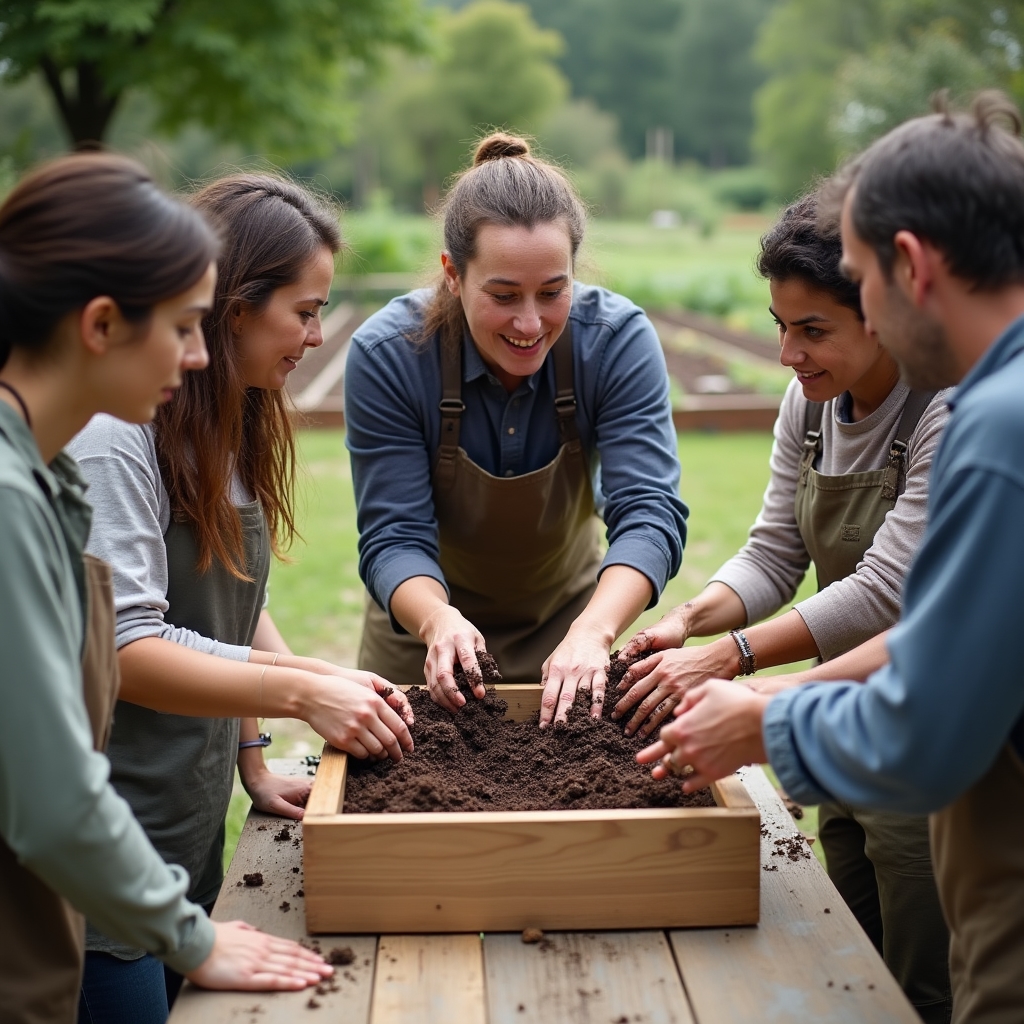
This module opens with a simple question: what is actually in the bag of soil sitting on a store shelf, and does it match what a given vegetable needs. From there, participants set up a small compost system sized for an apartment or a single backyard bin.
The guided assignment asks learners to photograph their setup weekly and note moisture and texture changes over a month.
- Reading soil mix labels and amending for containers
- Building a compost bin from everyday materials
- Troubleshooting odor and pest issues in early compost
- Timing finished compost for the local planting window
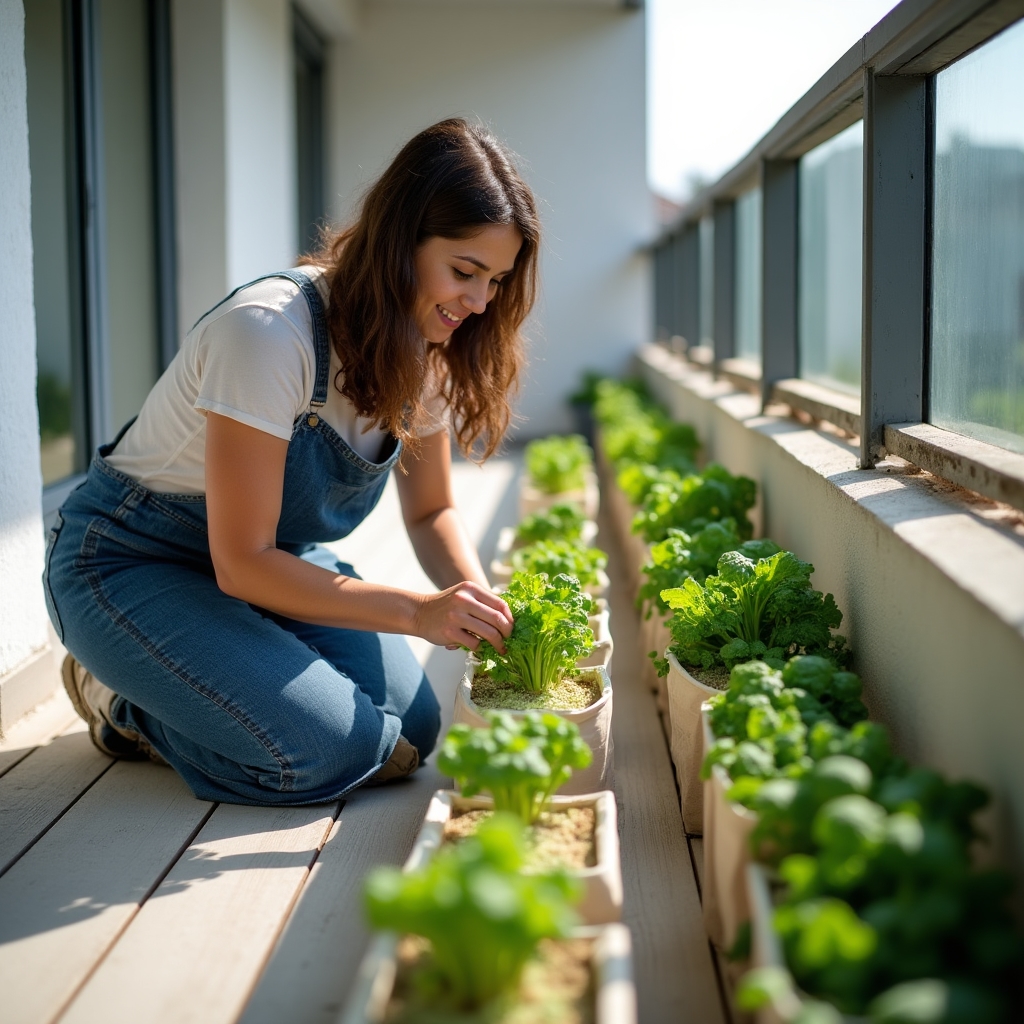
Container Gardening
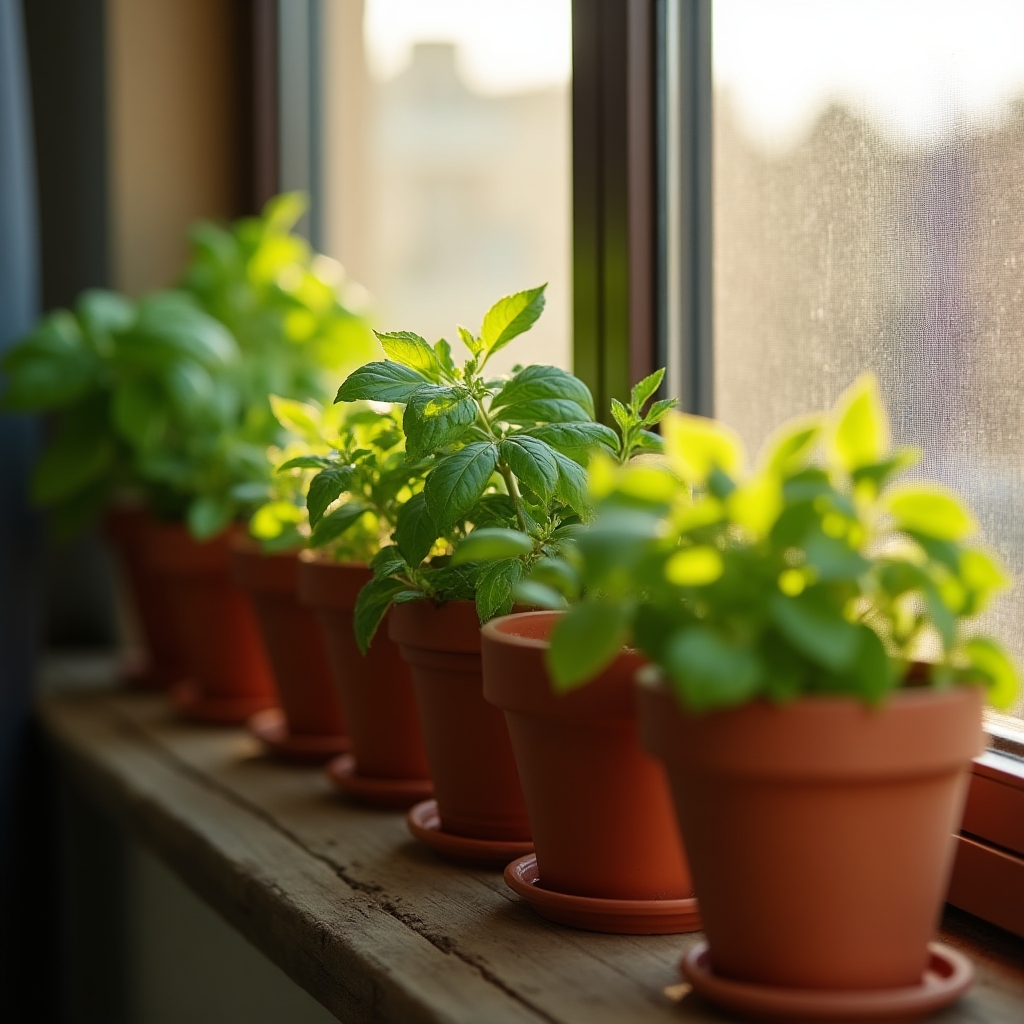
Container size, drainage, and material each change how a plant grows in a space with no ground soil to fall back on. This module covers how to match a container to a crop and how to map sunlight across a balcony, patio, or fire escape through the day.
- Matching container depth to root systems
- Mapping sun exposure hour by hour
- Grouping plants by water needs
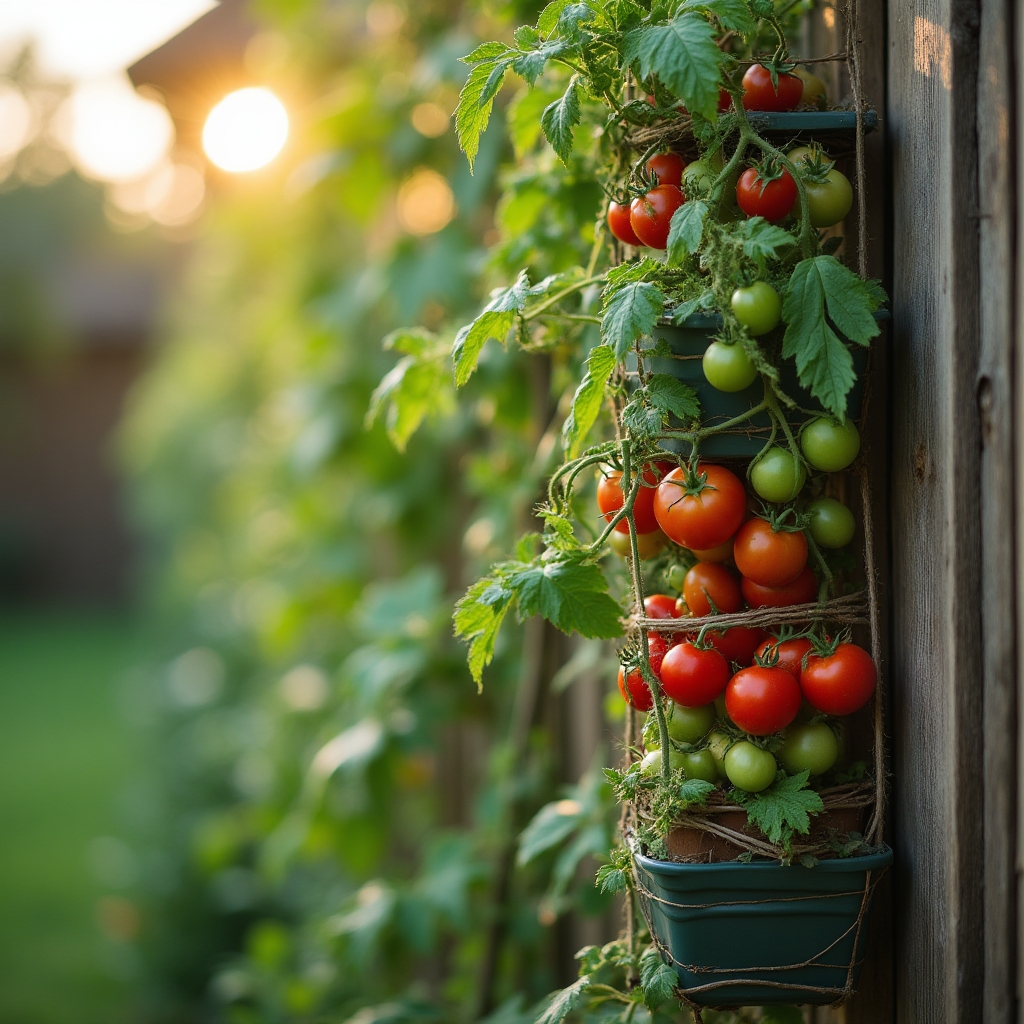
- Vertical stacking for limited floor space
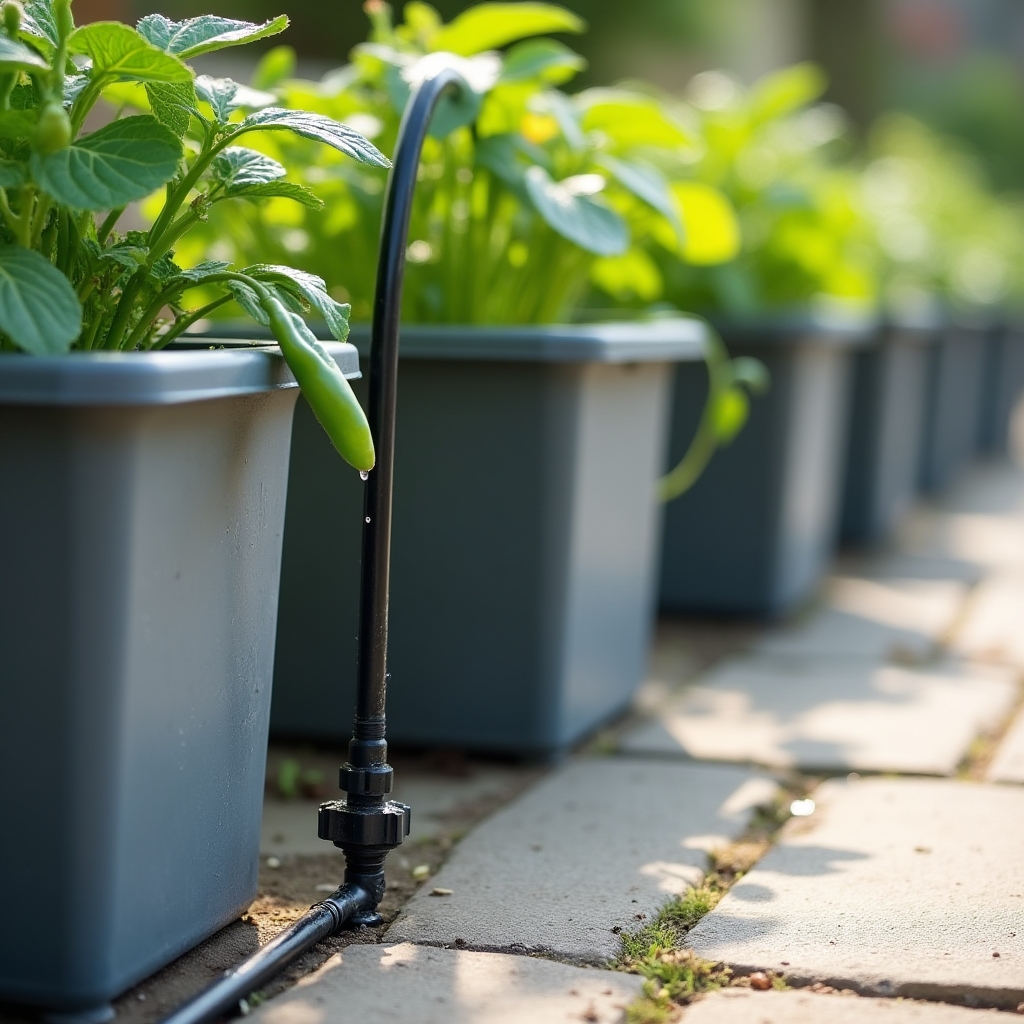
Irrigation Systems
Overwatering and underwatering are two of the most common reasons small-space gardens struggle. This module introduces low-cost drip lines, self-watering inserts, and a schedule that adjusts for the local climate rather than a fixed calendar.
- Setting up a basic drip line on a timer
- Building a self-watering container insert
- Reading soil moisture without a meter
- Adjusting watering for heat waves or extended rain
Pest Management
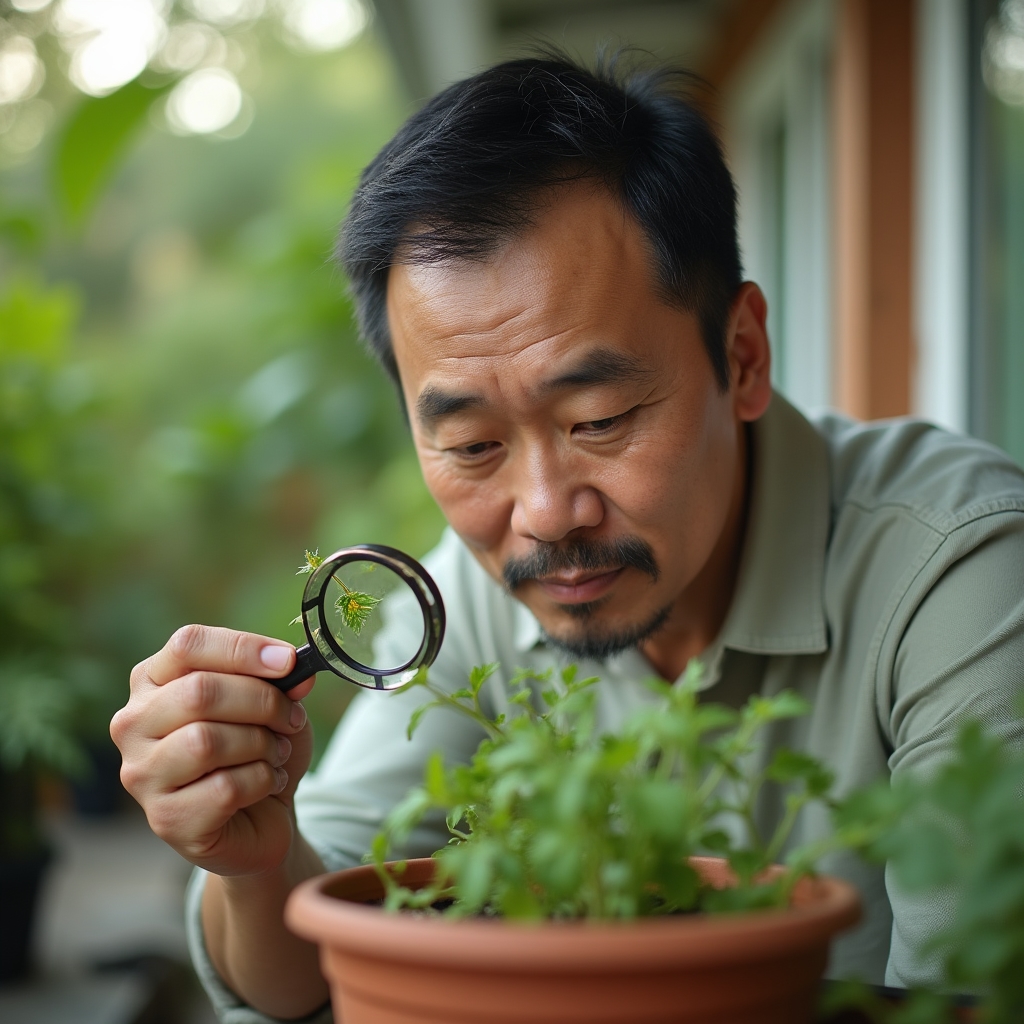
Small spaces still attract aphids, spider mites, and fungal spots. This module focuses on identification first, then on non-chemical responses that stay appropriate for balconies, shared courtyards, and homes with children or pets nearby.
- Identifying common pests at the leaf level
- Introducing beneficial insects to a small setup
- Making simple soap or oil sprays
- Preventing fungal spread through spacing and airflow
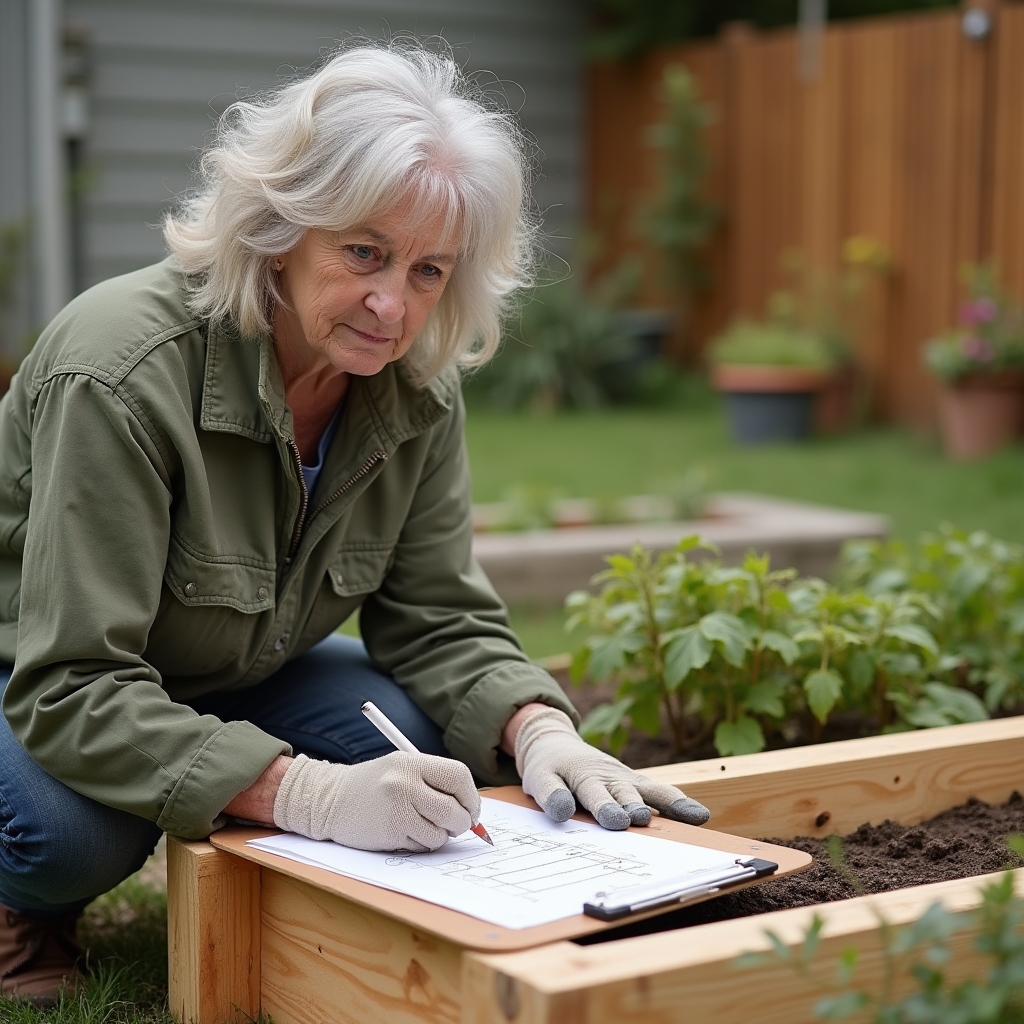
Every module ends with something to actually do.
Reading about composting is different from watching a bin heat up in your own kitchen corner. Each course pairs its lesson with a short assignment: build a container, start a compost batch, sketch a planting calendar for your zip code.
Feedback comes through written check-ins rather than live grading, which keeps the pace flexible for people fitting this around work or family schedules.
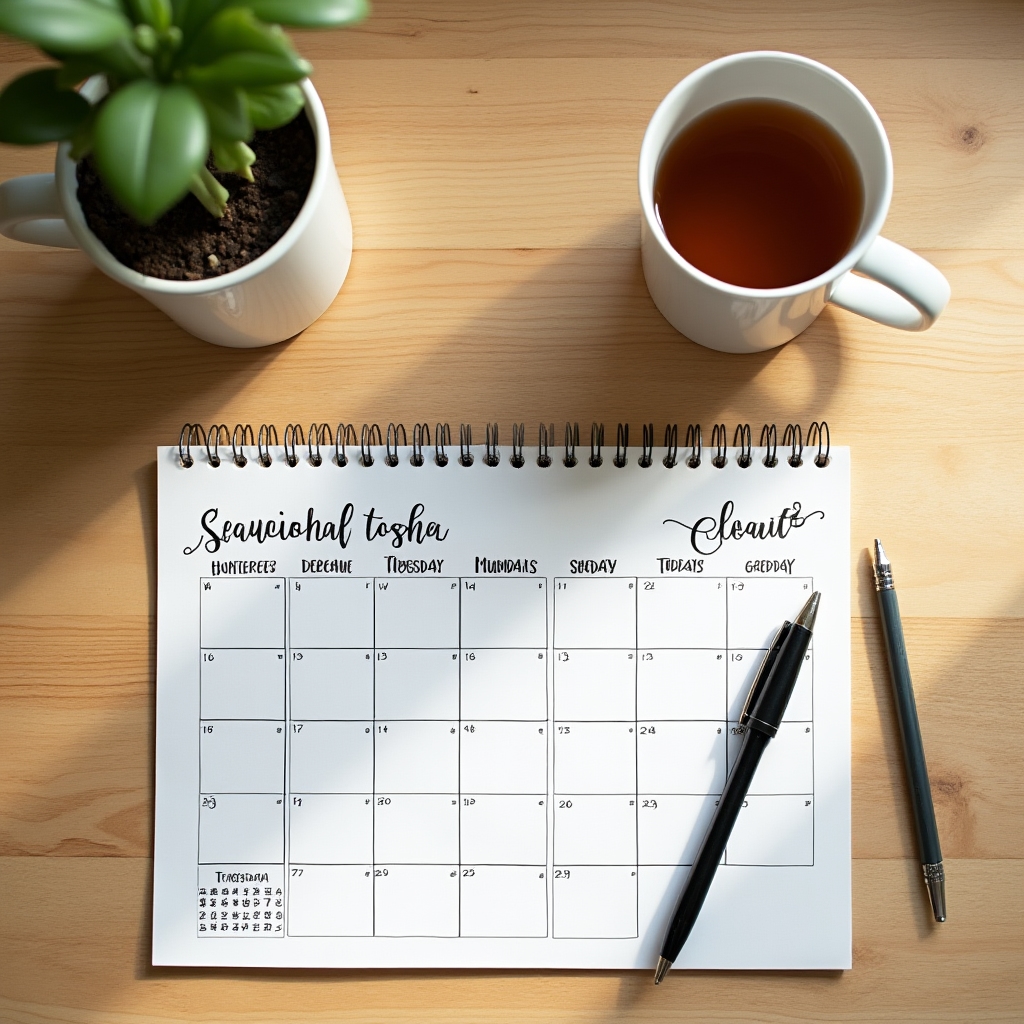
A calendar built around your actual last frost date.
Rather than a single national planting schedule, participants build their own using their USDA zone, their microclimate, and the crops they picked in earlier modules. It becomes a working document they can return to every year.
This program focuses on personal and community-scale growing. It is educational in nature and does not confer a professional horticultural or agronomic qualification.